
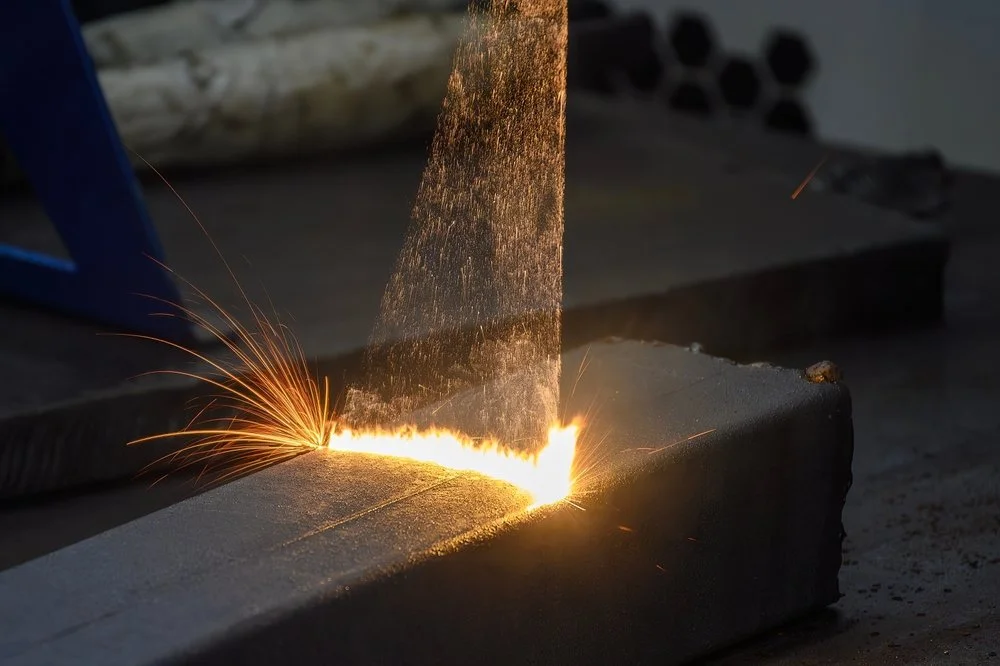
Precision Laser Surface Cleaning Without the Damage of Blasting
Industrial laser cleaning services, equipment rentals, and laser systems for sale.
Traditional Blasting Methods Damage Surfaces and Create Cleanup Problems
Many traditional cleaning methods remove contamination by aggressively blasting the surface. While effective in some cases, they often create new problems.
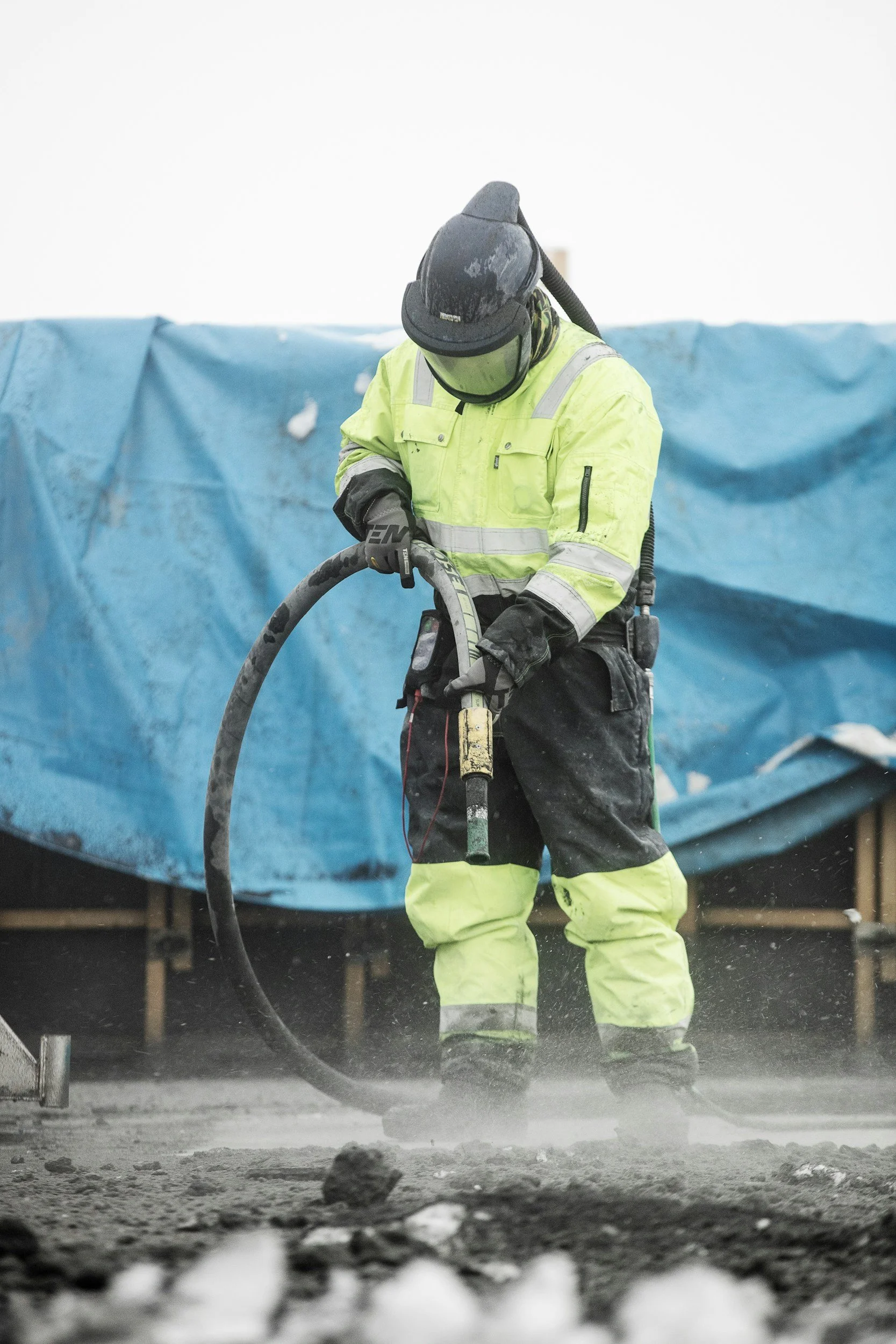
Sandblasting
• Abrasive damage
• Media waste
• Heavy cleanup
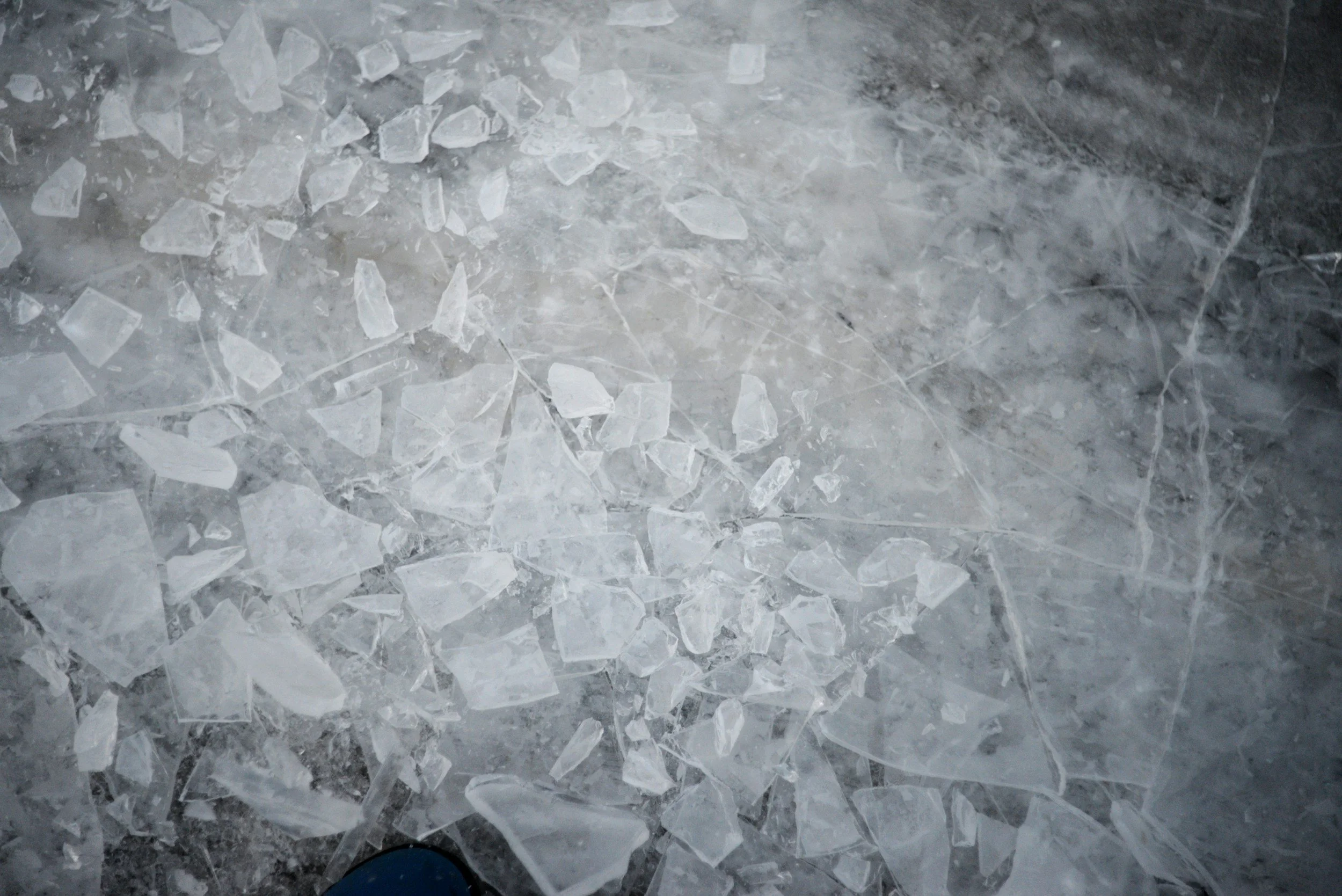
Dry Ice Blasting
• Less effective on rust
• CO₂ logistics
• Limited coating removal
These methods can lead to unnecessary downtime, surface damage, and increased project costs.
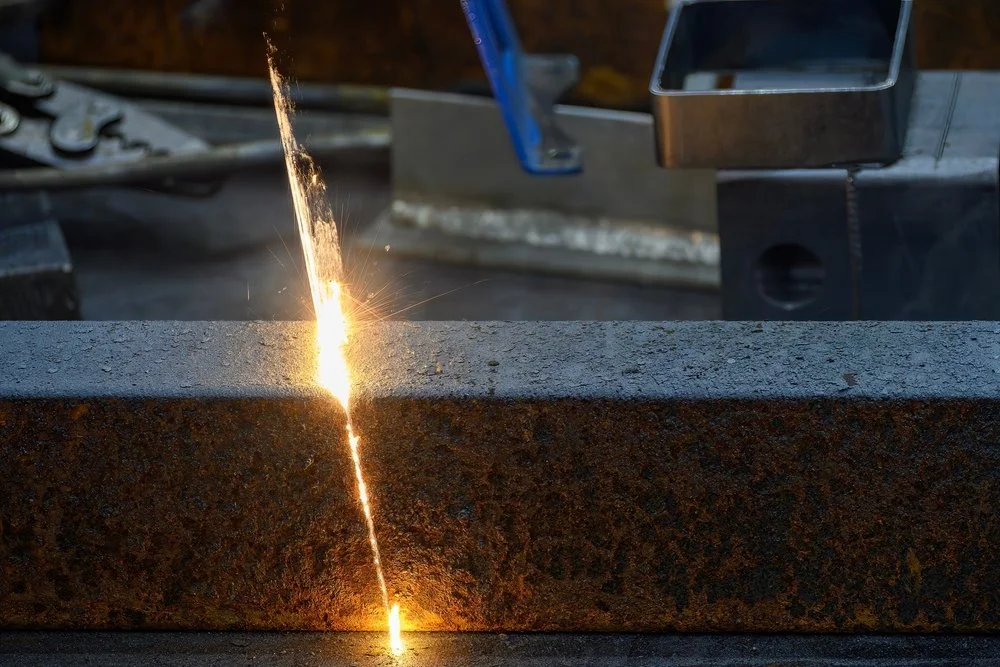
A Smarter Way to Clean Industrial Surfaces
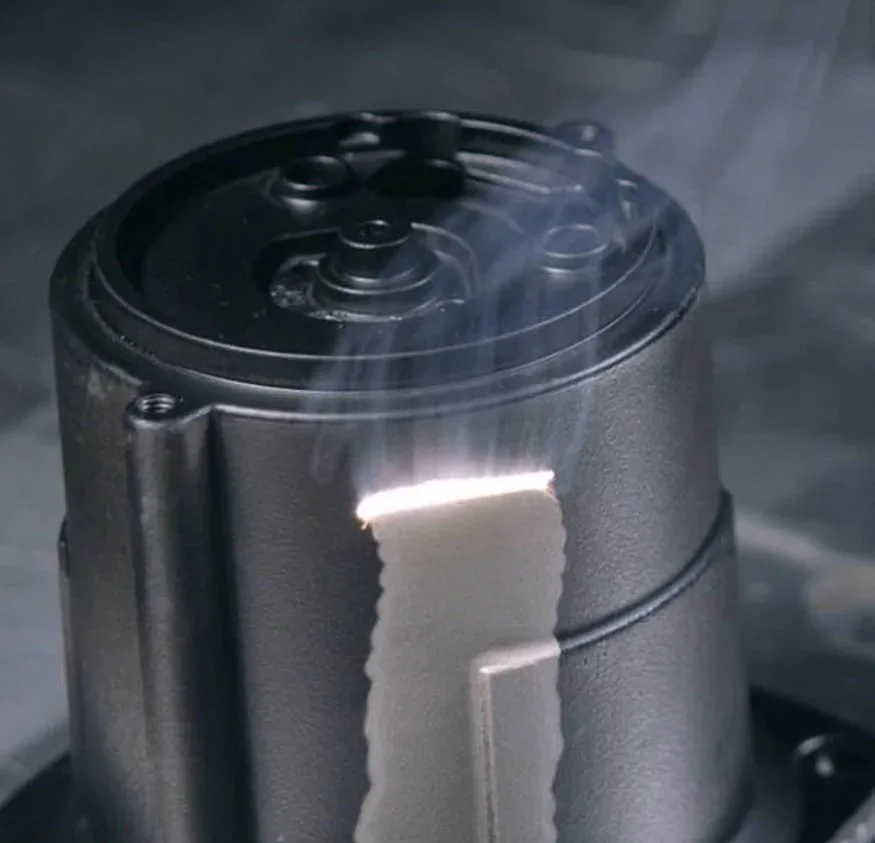
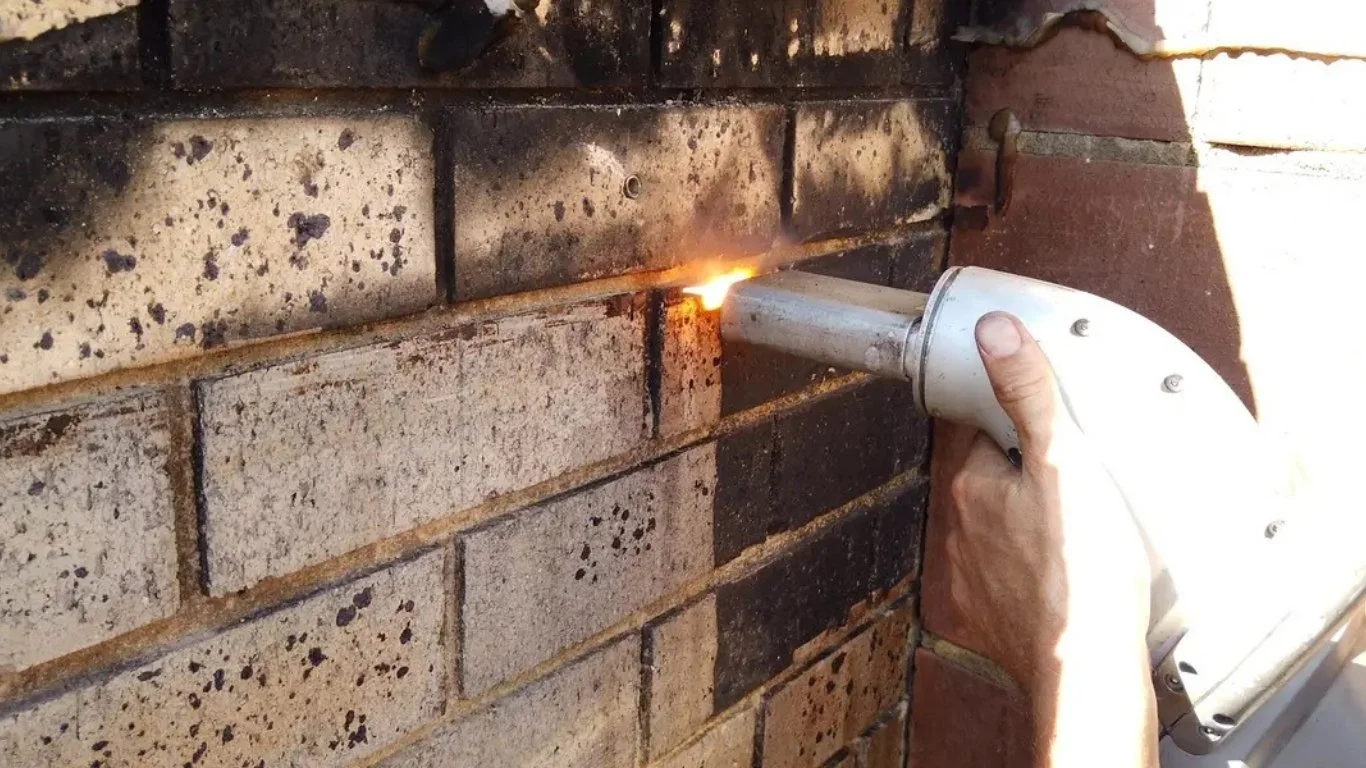
Laser cleaning removes rust, paint, coatings, and contaminants without damaging the underlying material. A controlled laser beam vaporizes contamination while leaving the base surface intact. The result is a cleaner, more precise process with minimal waste and significantly less cleanup. Laser technology is now widely used across automotive, marine, manufacturing, and infrastructure sectors.
CORE BENEFITS
-
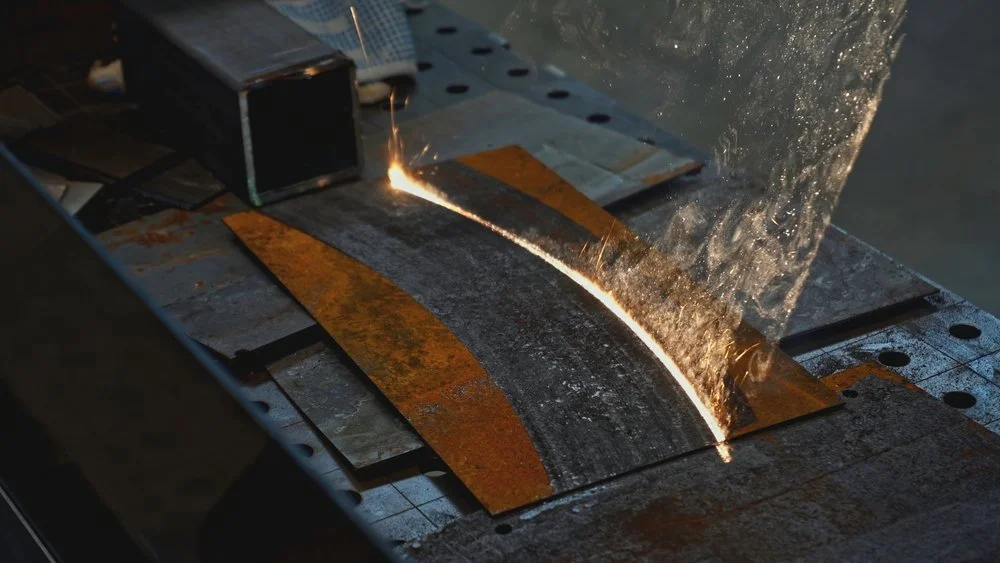
Non-Abrasive Precision
Laser cleaning removes contamination without grinding, blasting, or eroding the surface.
-
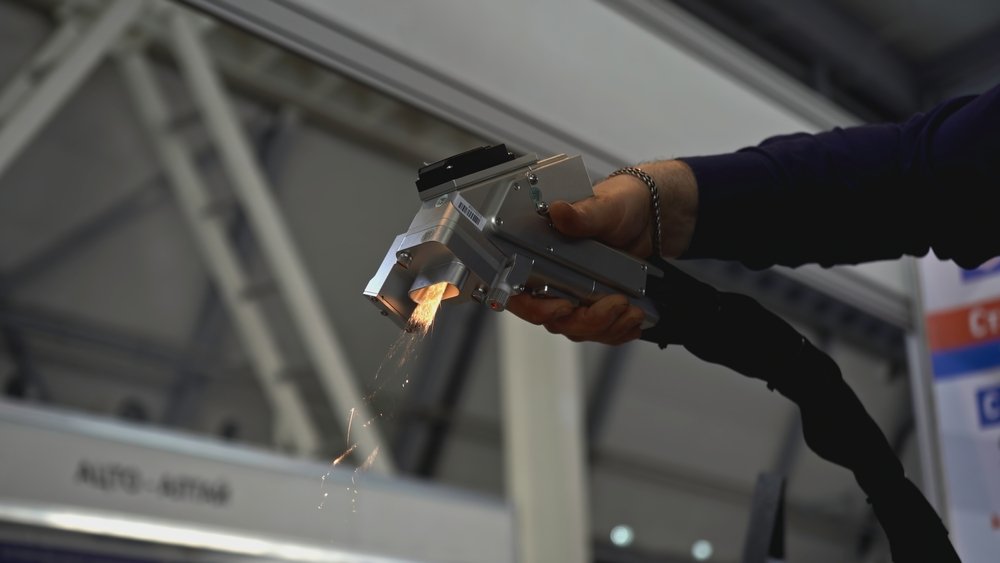
Minimal Waste
No blasting media, no chemicals, and significantly reduced cleanup
-
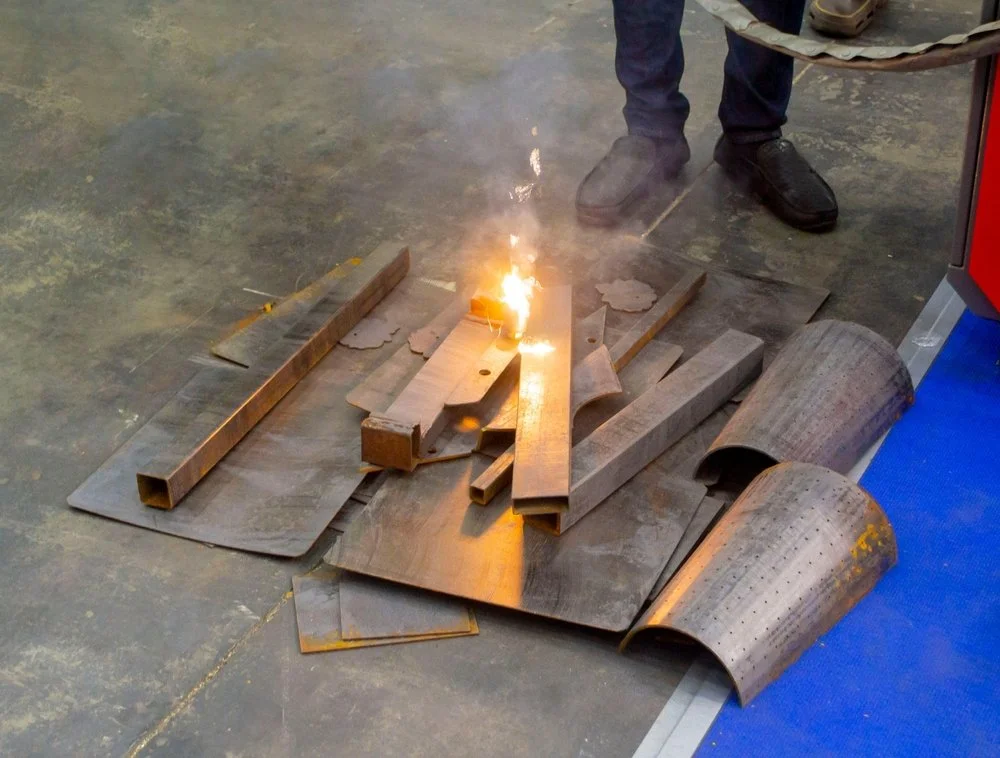
Reduced Downtime
Faster cleaning means equipment and structures return to service sooner.
Laser cleaning offers controlled precision, cleaner worksites, and long-term asset protection.
Laser Cleaning: Non-abrasive, precise, minimal waste
Sandblasting: Abrasive surface damage, heavy cleanup
Dry Ice Blasting: Less effective on rust and heavy coatings
Why Laser Cleaning Is Superior
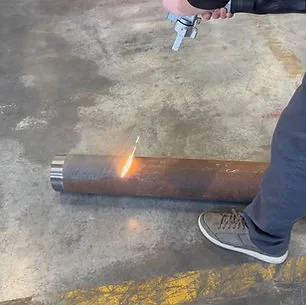
Laser Cleaning in Action
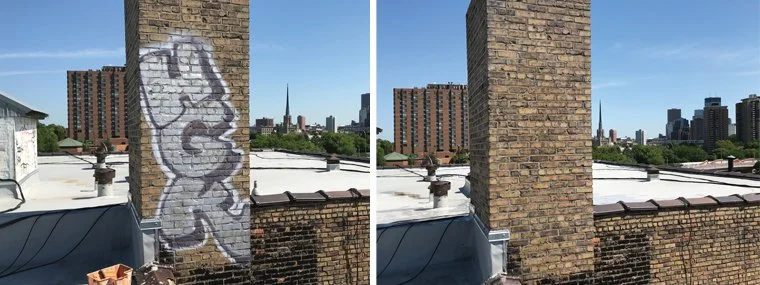
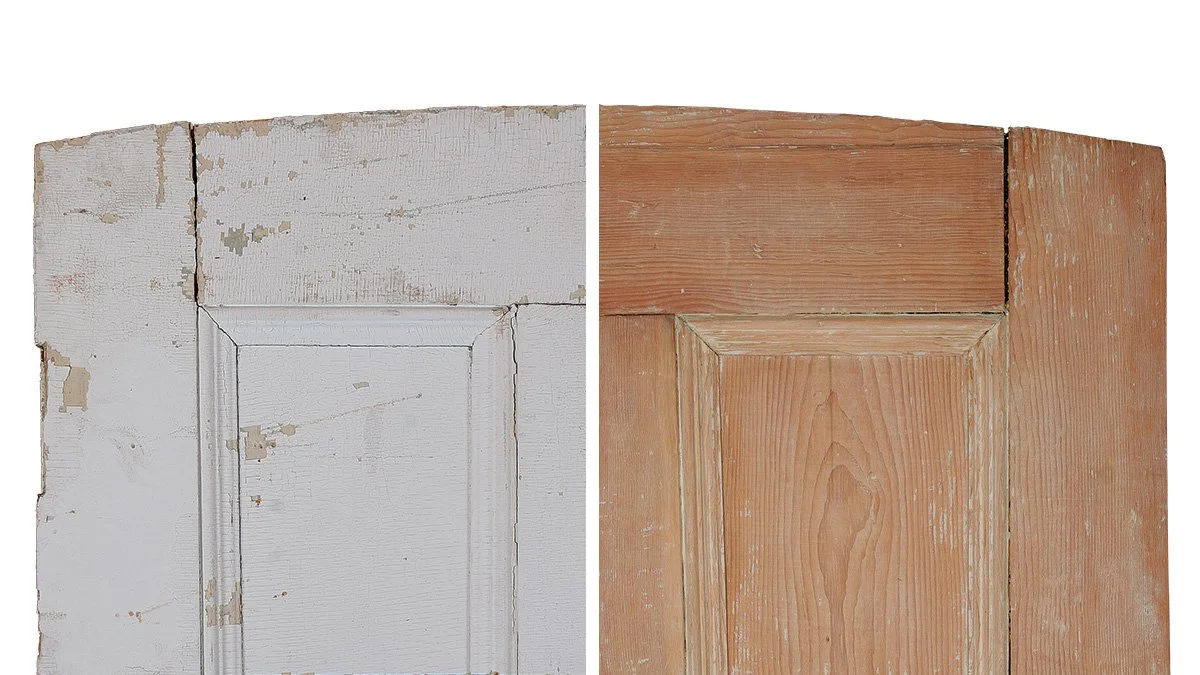
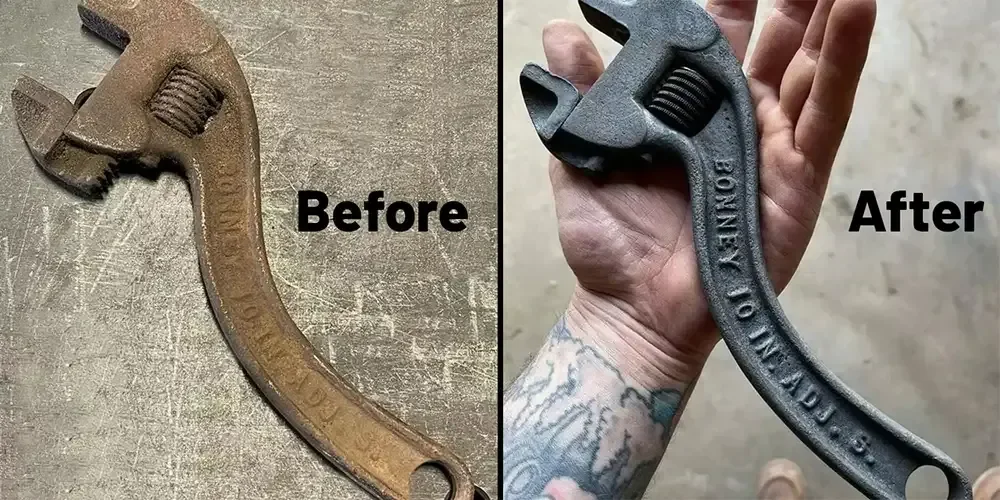
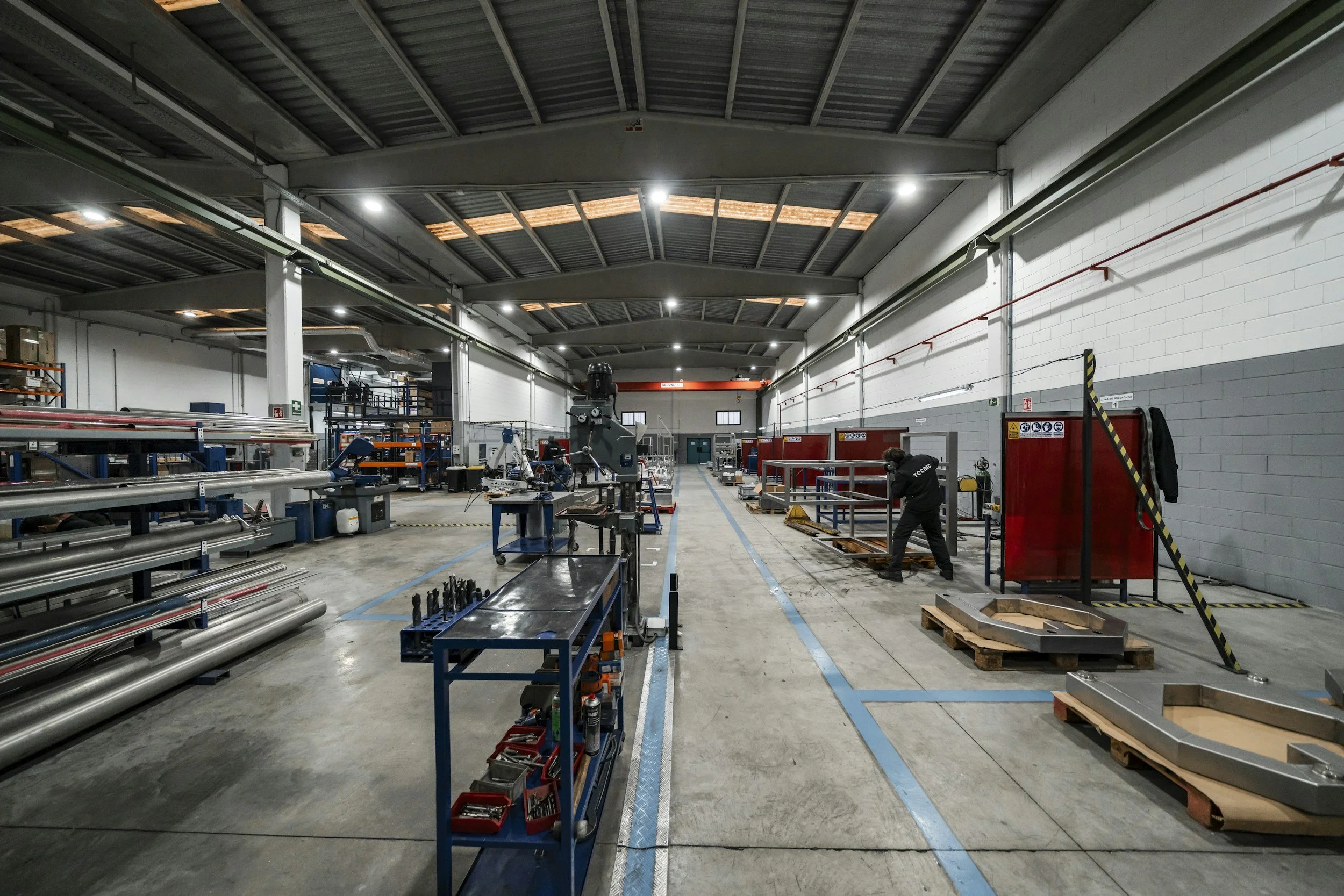
Examples of laser surface cleaning across multiple industries.
Rust removal
Paint stripping
Industrial equipment cleaning
Surface preparation
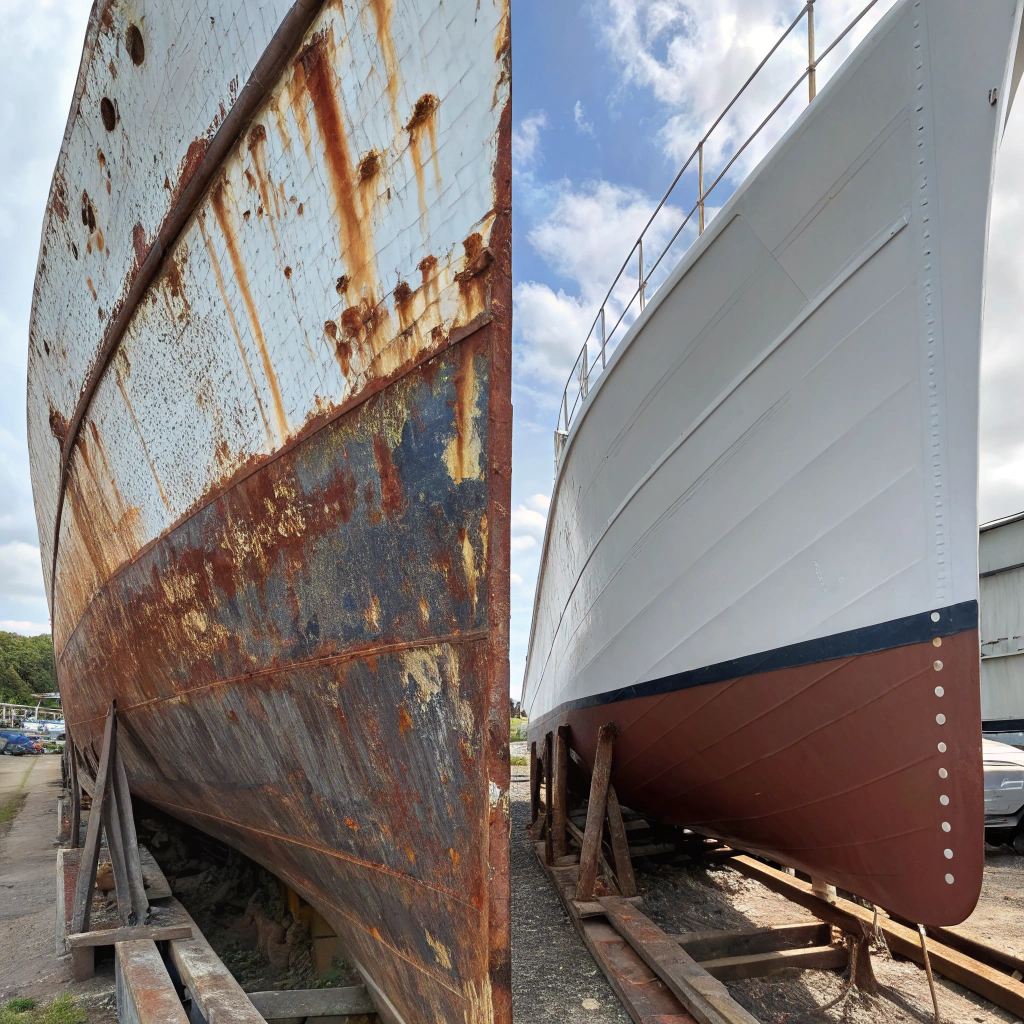
Before and after results demonstrate the precision and effectiveness of laser cleaning technology.
Precision Surface Cleaning for Industrial Applications
Get a quote for laser cleaning services or inquire about equipment rentals and systems.